


Vacuum Breaker Still Not Working After Repair? Here's How to Fix It
- restaurantequipmen2
- Mar 16
- 6 min read
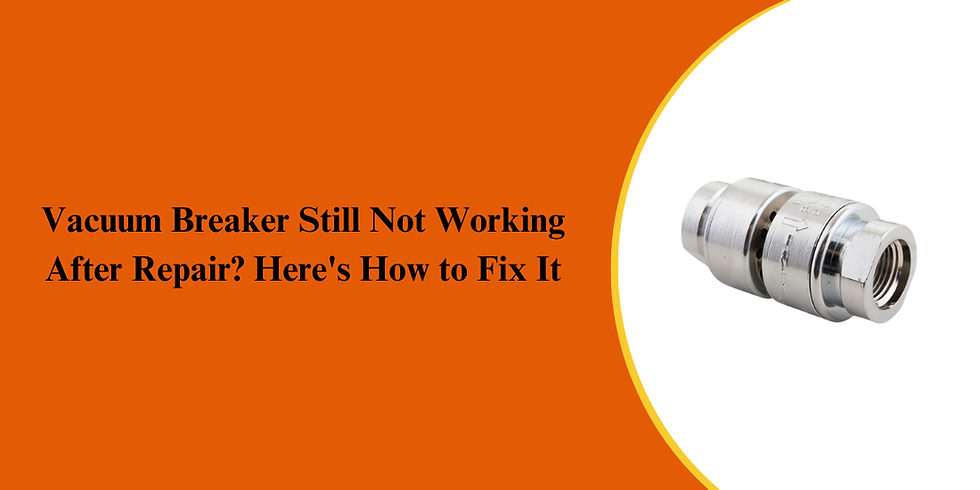
Across commercial facilities such as restaurants, hotels, healthcare buildings, manufacturing plants, and irrigation systems, maintaining safe water flow is a critical part of plumbing system management. One essential component that protects water quality is the vacuum breaker. This device prevents contaminated water from flowing backward into clean supply lines, helping maintain compliance with health and safety standards. When a vacuum breaker continues to malfunction even after repair, it can lead to issues such as backflow risks, water leakage, inconsistent pressure, and operational disruptions.
Because vacuum breakers operate under continuous pressure and frequent use, their internal mechanisms naturally experience wear over time. Damaged seals, weakened springs, mineral buildup, or worn valve components are common causes of failure. Warning signs—such as water discharging from the vent, pressure fluctuations, or persistent leaks—often indicate that certain vacuum breaker parts require servicing or replacement.
This guide covers:
Identifying common reasons a vacuum breaker still fails after repair
Diagnosing plumbing issues accurately before attempting additional fixes
When to use a vacuum breaker repair kit or perform a pressure vacuum breaker replacement
Practical repair steps and maintenance strategies to ensure reliable vacuum breaker valve performance
This guide is intended for facility managers, maintenance teams, and plumbing professionals who need to restore system protection quickly, reduce downtime, and maintain safe and dependable water systems.
Common Reasons a Vacuum Breaker Still Fails After Repair
When a vacuum breaker continues malfunctioning after maintenance, the issue usually relates to overlooked components or improper repair procedures. Identifying these causes is essential before attempting additional repairs.
Worn or Incomplete Replacement of Internal Components
A vacuum breaker contains several internal components, including springs, seals, diaphragms, and check valves. If you replace only one damaged component while the others remain worn, the system may still malfunction.
For example, replacing a seal but leaving a weakened spring in place can prevent the device from closing properly. Installing a complete vacuum breaker repair kit ensures the simultaneous restoration of all critical internal components in such cases.
Mineral Buildup and Debris Accumulation
Commercial plumbing systems often carry mineral deposits, sediment, or debris that can accumulate inside the vacuum breaker valve. Even after repair, these deposits may prevent the internal mechanism from sealing correctly.
Mineral buildup can cause the valve to stick, leak, or release water through the vent ports. Thorough cleaning of internal vacuum breaker parts is necessary before reinstalling components.
Incorrect Pressure Conditions
Vacuum breakers are designed to operate within specific pressure ranges. If system pressure exceeds recommended limits, the device may release water continuously through the relief port.
In situations where the system pressure has increased due to equipment upgrades or pump changes, a pressure vacuum breaker replacement may be required to match the new operating conditions.
Damaged Valve Body
Sometimes the issue is not with the internal parts but with the housing itself. Cracks or corrosion in the valve body can allow water to escape or disrupt internal pressure balance.
If the body of the vacuum breaker valve is compromised, replacing individual vacuum breaker parts will not solve the problem. A full pressure vacuum breaker replacement may be necessary to restore safe operation.
Improper Assembly After Repair
Even experienced technicians can occasionally reinstall components incorrectly. Misaligned seals, improperly tightened caps, or incorrectly positioned springs can prevent the device from functioning properly.
Careful reassembly using manufacturer guidelines and verified vacuum breaker repair kit components ensures the system operates as intended.
How to Fix a Vacuum Breaker That Still Isn’t Working After Repair
When a vacuum breaker fails to function after repair, a structured troubleshooting process helps identify and resolve the issue efficiently. Following proper repair steps ensures reliable operation and prevents further plumbing complications.
# Step 1: Shut Off the Water Supply
Before performing any repair work, shut off the water supply to the system. This prevents sudden pressure release and protects technicians from accidental water discharge.
Once the supply is turned off, release any remaining pressure within the system before opening the valve housing.
# Step 2: Disassemble the Vacuum Breaker Valve
Carefully remove the bonnet or cap from the vacuum breaker valve to access the internal components. Keep track of all components during disassembly to ensure proper reassembly later.
Inspect each internal element, including springs, seals, and check valves, for wear or damage.
# Step 3: Inspect and Clean Internal Components
Even if the vacuum breaker parts were recently replaced, debris or mineral buildup may still interfere with operation.
Clean all internal surfaces thoroughly using appropriate cleaning tools or descaling solutions. Pay particular attention to vent ports and sealing surfaces.
# Step 4: Replace Worn Components
If any parts show signs of wear, install replacements using a complete vacuum breaker repair kit. These kits typically include seals, springs, gaskets, and other critical components required for proper operation.
Replacing all essential components at once reduces the risk of repeated failures.
# Step 5: Check the Vent Port
The vent port plays a crucial role in preventing backflow. If this port becomes clogged or obstructed, the vacuum breaker cannot operate properly.
Ensure the vent port is clear and functioning as designed before reassembling the system.
# Step 6: Reassemble and Restore Water Pressure
After cleaning and replacing necessary vacuum breaker parts, carefully reassemble the valve according to manufacturer instructions.
Slowly restore the water supply and monitor the system for leaks, pressure irregularities, or abnormal venting.
# Step 7: Evaluate the Need for Full Replacement
If problems persist even after installing a vacuum breaker repair kit, the unit may require a full pressure vacuum breaker replacement.
A new vacuum breaker valve may be the most reliable solution when the existing unit has experienced long-term wear or structural damage.
Installation Mistakes That Can Cause Vacuum Breaker Failure
Improper installation is one of the most common reasons vacuum breakers malfunction—even after repairs. Understanding these mistakes helps prevent recurring issues and ensures the device performs its protective function effectively.
Incorrect Installation Height: Many vacuum breakers must be installed above the highest downstream outlet to function properly. If the unit is installed too low, water pressure may prevent the valve from operating correctly.
Incorrect installation height can cause continuous water discharge from the vent or failure to prevent backflow.
Improper Pipe Orientation: Vacuum breakers must be installed in the correct orientation to operate properly. Installing the valve at an incorrect angle can prevent internal vacuum breaker parts from sealing or moving correctly.
Following manufacturer installation guidelines is critical when installing or replacing a vacuum breaker valve.
Over-Tightening or Under-Tightening Components: Improper tightening during installation can damage internal components or create leaks. Over-tightening may compress seals excessively, while loose fittings can cause pressure loss.
When installing a vacuum breaker repair kit or performing pressure vacuum breaker replacement, components should be tightened according to specified torque requirements.
Using Incompatible Replacement Parts: Using non-compatible components may prevent the vacuum breaker from functioning correctly. Generic components may not match the original design specifications.
Always use manufacturer-approved vacuum breaker parts to ensure compatibility, durability, and reliable operation.
Ignoring System Pressure Requirements: Each vacuum breaker valve is designed to operate within a specific pressure range. Installing a device not rated for the system’s pressure can cause premature failure.
When upgrading plumbing systems or replacing components, selecting the correct model during pressure vacuum breaker replacement ensures long-term performance.
Conclusion: Restoring Safe and Reliable Vacuum Breaker Performance
A properly functioning vacuum breaker is essential for preventing backflow and protecting clean water systems in commercial and industrial plumbing environments. When a unit continues to malfunction after repair, the issue often involves worn vacuum breaker parts, incorrect installation, or incomplete servicing. Carefully diagnosing the problem, cleaning internal components, and installing a reliable vacuum breaker repair kit can often restore proper operation. However, if the valve body or internal mechanisms are severely worn, a complete pressure vacuum breaker replacement may be necessary. By maintaining the vacuum breaker valve with quality components and routine inspections, facilities can ensure consistent performance, protect water quality, and minimize costly plumbing disruptions.
PartsFe specializes in replacement parts for commercial ovens, ice machines, and grills—making it easy for businesses to buy commercial kitchen parts at the lowest prices, with fast shipping, easy returns, and trusted products from leading manufacturers.
FAQ’s
1. What causes a vacuum breaker to fail?
Vacuum breakers fail due to mineral buildup, corrosion, improper installation, or wear over time, which can prevent them from functioning properly and cause water flow issues.
2. How to tell if a vacuum breaker is bad?
A defective vacuum breaker may cause water backflow, erratic water pressure, or leaks. Check for water pooling around the valve or strange sounds during water flow.
3. Do vacuum breakers wear out?
Yes, vacuum breakers can wear out over time due to frequent use, mineral deposits, or aging seals, which reduce their effectiveness in preventing backflow. Regular maintenance can extend their lifespan.


Comments