


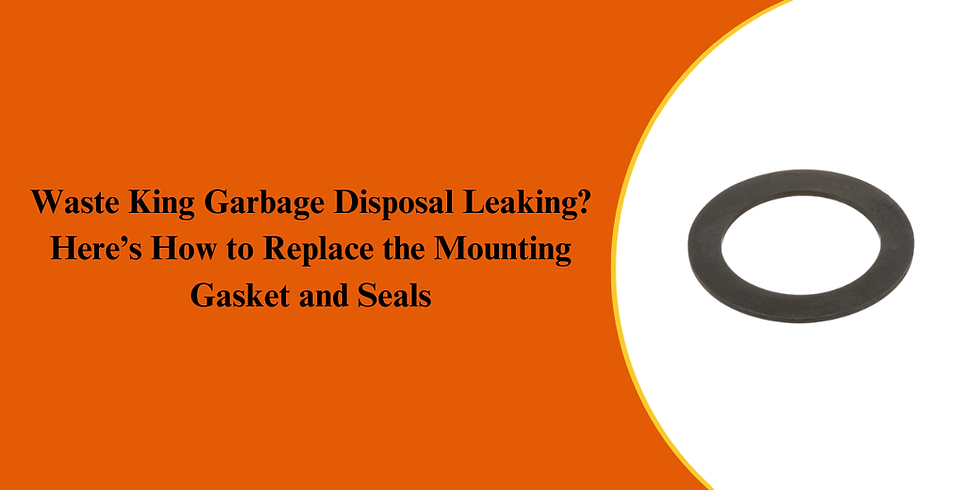
Waste King Garbage Disposal Leaking? Here’s How to Replace the Mounting Gasket and Seals
- restaurantequipmen2
- Apr 13
- 6 min read
Commercial kitchens rely on efficient waste management systems to maintain cleanliness, workflow, and safety in high-demand environments such as restaurants, hotels, cafeterias, and food processing facilities. Waste King garbage disposal parts play a critical role in keeping these units running smoothly, ensuring that food waste is handled quickly and safely. However, continuous operation can lead to issues such as leaks, jams, unusual noises, or reduced performance. When a disposal begins leaking, it can cause water damage, create sanitation hazards, and disrupt operations—making timely inspection and repair essential.
In commercial settings, garbage disposals face intense use, making secure connections and durable Waste King garbage disposal parts vital for long-term performance. Leaks often indicate worn gaskets or seals that require immediate replacement. While minor repairs using quality parts may restore function, recurring problems like jams, frequent resets, or humming units may point to more serious mechanical issues requiring urgent attention.
This guide covers:
Common causes of leaks in Waste King garbage disposals
Key signs that indicate your mounting gasket and seals need replacement
Step-by-step instructions to replace the mounting gasket using reliable Waste King garbage disposal parts
How to replace worn or damaged seals in the disposal unit
Common mistakes to avoid during replacement
Common Causes of Waste King Garbage Disposal Leaks
Identifying the source of a leak is the first step toward restoring your garbage disposal’s efficiency and preventing further damage in busy commercial kitchen environments.
Worn or Damaged Mounting Gasket: The mounting gasket seals the disposal to the sink. Over time, constant exposure to water, grease, and cleaning chemicals can cause it to crack or lose flexibility, leading to leaks from the top of the unit.
Degraded Internal Seals: Internal seals prevent water from escaping through the bottom. When these seals wear out, leaks may appear underneath the unit, signaling the need for replacement using reliable Waste King garbage disposal parts.
Loose Mounting Assembly: Frequent use in commercial kitchens can loosen the mounting ring or connections. Vibrations from operation may weaken fittings, allowing water to seep through gaps.
Clogs and Pressure Build-Up: A Waste King garbage disposal jammed with food waste increases internal pressure, forcing water out through worn or weak areas, especially around seals and joints.
Cracked or Damaged Housing: Physical damage or long-term wear can create small cracks in the disposal body, resulting in persistent leaks that often require part replacement.
Improper Installation or Low-Quality Parts: Using incompatible or substandard components compromises sealing efficiency, causing premature failure.
Operational Pressure: Units that are humming but not working may indicate blockages or motor pressure, indirectly affecting seals and contributing to leaks.
Understanding these causes helps prevent damage and ensures a reliable, leak-free disposal system in commercial settings.
Signs Your Mounting Gasket and Seals Need Replacement
Recognizing early warning signs of failing components is essential to prevent leaks, maintain hygiene, and avoid costly downtime in commercial kitchen operations.
Visible Leaks Around the Sink Flange: Dripping water near the top connection usually indicates a worn or improperly seated mounting gasket that can no longer create a secure seal.
Water Accumulation Beneath the Unit: Standing water under the disposal often points to failing internal seals, especially when leaks originate from the bottom housing.
Constant Need for Retightening: If mounting bolts or connections frequently loosen, the gasket may have lost flexibility and is no longer sealing effectively.
Excessive Noise or Vibration: Increased vibration during operation can gradually loosen seals and accelerate component wear.
Waste King Garbage Disposal Humming but Not Working: A humming motor without grinding action may signal internal blockage, putting additional load on seals.
Frequent Waste King Garbage Disposal Reset: Repeated resets often indicate overheating or overloading, which can speed up gasket and seal deterioration.
Persistent Odors: Lingering smells despite cleaning may result from trapped waste due to poor sealing.
Signs of a Waste King Garbage Disposal Jammed: Blockages increase internal pressure, weakening seals over time.
Visible Damage to Components: Cracks, brittleness, or deformation clearly indicate the need for replacement using quality Waste King garbage disposal parts.
Addressing these issues early ensures efficient performance and a leak-free system.
Step-by-Step Instructions to Replacing the Mounting Gasket
Replacing the mounting gasket in a commercial garbage disposal is a practical repair that can quickly eliminate leaks and restore proper sealing when done correctly.
Step 1: Turn Off Power and Ensure Safety
Begin by disconnecting the power supply to the unit at the breaker or unplugging it. This step is critical to prevent accidents during the repair process.
Step 2: Disconnect Plumbing Connections
Remove the drain pipe and dishwasher hose (if connected). Keep a bucket handy to catch any residual water. This allows quick access to the disposal unit.
Step 3: Detach the Disposal Unit
Support the unit from below and twist it counterclockwise to release it from the mounting assembly. Carefully lower it to avoid damaging surrounding components.
Step 4: Remove the Old Mounting Gasket
Locate the gasket between the sink flange and the disposal mount. Gently remove the worn or damaged gasket, noting any cracks, flattening, or buildup that may have caused the leak.
Step 5: Clean the Mounting Area Thoroughly
Use a cloth or brush to remove grease, debris, and residue from the sink flange and mounting surface. A clean surface ensures the new gasket forms a proper seal.
Step 6: Install the New Gasket
Position the replacement gasket evenly around the flange. Make sure it sits flat without twists or gaps. Using high-quality Waste King garbage disposal parts helps ensure durability and leak resistance.
Step 7: Reattach the Disposal Unit
Lift the unit back into place and align it with the mounting ring. Twist it clockwise until it locks securely. Ensure all mounting tabs are properly engaged.
Step 8: Reconnect Plumbing and Restore Power
Reattach all pipes and hoses, then turn the power back on. Run water through the unit and operate it briefly to check for leaks.
Step 9: Inspect for Proper Functionality
If the unit previously showed issues like a Waste King garbage disposal jammed or required a Waste King garbage disposal reset, verify that it is now running smoothly without unusual noise or vibration.
Following these steps carefully ensures a tight, leak-free seal and helps maintain the efficiency and reliability of your commercial garbage disposal system.
How to Replace Worn or Damaged Seals in the Disposal Unit
Replacing internal seals in a garbage disposal is essential for stopping leaks from the bottom of the unit and ensuring long-term reliability in commercial kitchen operations.
Step 1: Disconnect Power and Prepare the Unit
Always start by turning off the power supply to avoid accidents. Remove the disposal unit from the mounting assembly and place it on a stable work surface.
Step 2: Access the Internal Components
Carefully disassemble the lower portion of the disposal to reach the internal seals. Refer to the unit’s design to locate the seal that is causing the leak.
Step 3: Remove the Damaged Seal
Gently take out the worn or cracked seal. Pay attention to its placement and orientation, as these factors will help you correctly install the new component.
Step 4: Clean the Seal Housing Area
Remove any grease, debris, or residue from the seal groove. A clean surface is crucial for achieving a tight and leak-proof fit.
Step 5: Install the New Seal Properly
Fit the replacement seal securely into its designated position. Ensure it sits evenly without twisting or gaps. Using compatible Waste King garbage disposal parts ensures proper sealing and durability.
Step 6: Reassemble the Disposal Unit
Carefully put all components back together, making sure each part is aligned and tightened correctly to avoid future leaks.
Step 7: Reinstall and Reconnect the Unit
Mount the disposal back under the sink, reconnect plumbing lines, and restore power. Run water and operate the unit to test for leaks.
Step 8: Check for Related Issues
If the unit previously had problems such as a Waste King garbage disposal jammed or a Waste King garbage disposal humming but not working, resolve those issues as well to prevent additional load on the new seals.
Properly replacing worn seals not only stops leaks but also improves the overall efficiency and lifespan of your garbage disposal system.
Conclusion: Maintaining a Leak-Free Waste King Garbage Disposal
Leaks in a Waste King garbage disposal can disrupt commercial kitchen operations, cause water damage, and create sanitation risks if left unaddressed. By identifying early warning signs such as visible leaks, unusual noises, or frequent resets and replacing worn mounting gaskets and internal seals with high-quality Waste King garbage disposal parts, you can restore proper function and prevent further issues. Regular inspection, timely repairs, and proper maintenance not only extend the lifespan of your disposal unit but also ensure smooth, efficient, and hygienic operations in high-demand commercial environments.
PartsFe provides high-quality commercial cooking equipment parts, including fryer, dishwasher, and griddle components, with fast delivery—helping ensure your kitchen runs efficiently and reliably every day.


Comments