


How to Troubleshoot Commercial Dishwasher Hose Adapter Issues
- restaurantequipmen2
- Jul 21, 2025
- 5 min read
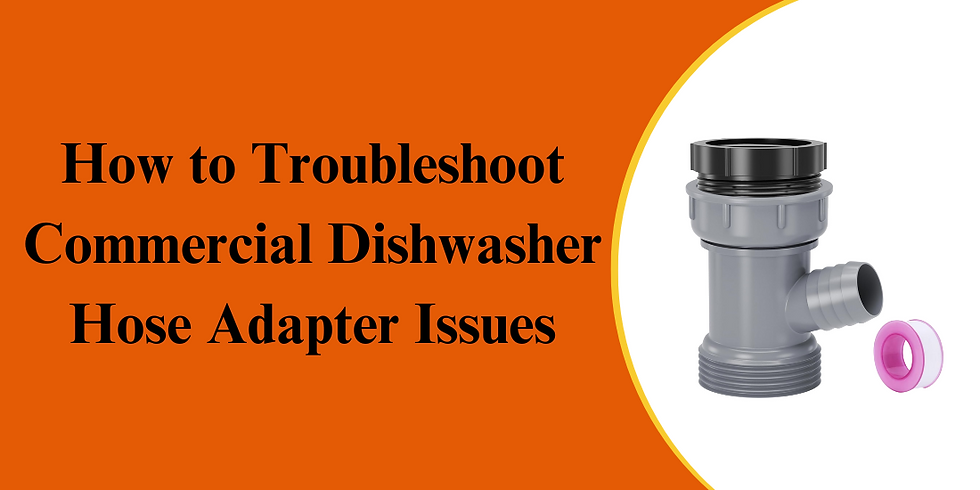
A commercial dishwasher is crucial in high-demand kitchens, delivering fast and efficient cleaning. One essential yet often overlooked part is the dishwasher drain hose adapter, which connects the dishwasher’s drain hose to the plumbing or garbage disposal system. This small component plays a key role in proper drainage. If it becomes damaged or fails, it can cause leaks, clogs, and serious drainage issues leading to costly downtime and potential kitchen disruptions. Regular inspection and timely replacement of the drain hose adapter help maintain the dishwasher’s performance and prevent unexpected breakdowns, ensuring a smooth and sanitary operation in any commercial kitchen environment.
Understanding the Hose Adapter’s Role in a Commercial Dishwasher
The hose adapter connects the dishwasher drain hose adapter to the building’s plumbing or garbage disposal, providing a secure, watertight seal. This connection is essential for proper drainage, preventing leaks, and ensuring efficient wastewater flow. A functioning adapter helps maintain overall dishwasher performance and minimizes the risk of drainage issues in commercial or residential kitchen settings. A failure in this small part can result in:
Leaks or puddles around the dishwasher: Leaks or puddles around the dishwasher may indicate a damaged or loose drain hose adapter, leading to improper drainage and potential water damage. Prompt inspection and replacement are recommended.
Improper draining or backups: Improper draining or water backups may signal a clogged or faulty dishwasher drain hose adapter. This issue can disrupt performance and should be addressed promptly to prevent further complications.
Unpleasant odors from stagnant water: Unpleasant odors from stagnant water often indicate a clogged or malfunctioning dishwasher drain hose adapter, causing drainage issues and bacterial buildup. Regular cleaning or replacement helps maintain hygiene and performance.
Reduced dishwasher performance: Reduced dishwasher performance can result from a faulty or clogged drain hose adapter, hindering proper drainage. Inspecting and maintaining this component ensures efficient operation and prevents potential damage.
Common Signs of Commercial Dishwasher Hose Adapter Problems
Common signs of commercial dishwasher hose adapter problems include leaks, poor drainage, unpleasant odors, visible cracks, and reduced cleaning performance. Identifying these issues early helps prevent downtime and ensures efficient, hygienic operation in busy kitchen environments.
Water Leaking Around the Hose Connection
Leakage at the connection point is a clear sign of a dishwasher drain hose adapter problem requiring immediate attention. Look for:
Drips or puddles under or behind the dishwasher
Damp cabinets or mold growth near the unit
Water stains on surrounding flooring or walls
Leaks may result from:
A cracked or worn-out adapter
Loose clamps or connectors
Poor alignment during installation
Dishwasher Not Draining Properly
If your commercial dishwasher won’t drain, the problem may be a faulty or clogged drain hose adapter. Signs include:
After an appliance's process, there may be standing water.
Backups into the sink or garbage disposal
Gurgling sounds during draining
Visible Damage or Cracks
Visible damage or cracks in the drain hose adapter indicate potential failure and require prompt repair or replacement to prevent leaks.
Regular inspections should include checking for:
Cracked plastic or corroded metal adapters
Worn-out rubber seals or gaskets
Deformation due to heat or pressure
If you observe any obvious deterioration, replacing the dishwasher outflow pipe adapter is the safest option.
Tools You May Need for Troubleshooting Commercial Dishwasher Hose Adapter
For troubleshooting commercial dishwasher hose adapters, essential tools include a screwdriver for panel removal, pliers or a wrench for tightening clamps, and a flashlight for inspection. Additionally, cleaning brushes help clear debris, while replacement parts may be necessary. Having these tools ensures efficient diagnosis and repair of adapter issues.
Screwdriver set
Adjustable wrench
Pipe or bottle brush
Stainless steel hose clamps
Plumber’s tape
Replacement adapter
Flashlight for inspection
How to Troubleshoot Commercial Dishwasher Hose Adapter Issues
To troubleshoot commercial dishwasher hose adapter issues, check for leaks, clogs, or visible damage at the connection point. Ensure the adapter is securely attached and free from blockages. Regular inspection, cleaning, and timely replacement help maintain proper drainage and prevent performance issues in busy commercial kitchen environments.
Shut Off Power and Water Supply
Before servicing a commercial dishwasher hose adapter, always shut off the power and water supply to ensure safety and prevent water damage during inspection or replacement. Before beginning any repair:
Unplug the dishwasher or switch off its breaker.
Turn off the water supply valve located beneath the basin or close to this appliance.
Remove the Access Panel
Use a screwdriver to remove the lower front panel or rear cover, based on your dishwasher model, to access the drain hose connection and hose adapter assembly for inspection or repair.
Inspect the Adapter and Drain Hose
Inspect the adapter and drain hose for cracks, clogs, or loose connections. Identifying wear or damage early helps prevent leaks, drainage issues, and performance problems in commercial dishwashers. Look for the following during your inspection:
Is the adapter securely attached?
Are there cracks or splits in the plastic or metal housing?
Is the drain hose properly clamped to the adapter?
If you find damage, proceed to replace the faulty parts.
Tighten Hose Clamps and Fittings
Tighten hose clamps and fittings to ensure a secure, leak-free connection between the drain hose and adapter. Properly secured connections help maintain efficient drainage and prevent water damage. Loose hose clamps are a common cause of leakage. To fix this:
Use a flat-head screwdriver to tighten hose clamps securely.
Ensure the hose fits snugly around the adapter with no gaps.
Replace damaged clamps with stainless steel ones for durability.
Clean Any Blockages in the Adapter
Food particles, grease, and debris can clog the dishwasher drain hose adapter, leading to poor drainage and odors. Regular cleaning helps maintain proper flow and efficient dishwasher performance. To clear them:
Detach the hose from the adapter.
Rinse the inside of the adapter under warm water.
Use a bottle brush or pipe cleaner to remove internal debris.
Reattach once fully cleaned and dried.
Replace the Hose Adapter if Needed
If the dishwasher drain hose adapter is damaged or fails to seal properly, it can cause leaks and drainage issues. Replace it promptly to restore efficient and reliable dishwasher operation.
Remove the faulty adapter by loosening the clamp and unscrewing the connection.
Purchase a replacement adapter that matches your dishwasher's make and model.
Install the new dishwasher drain hose adapter, securing it with a clamp and plumber's tape if necessary.
Preventing Future Commercial Dishwasher Hose Adapter Issues
To prevent future adapter issues in commercial dishwashers, regularly inspect the hose and adapter for wear, tighten fittings, and clean out debris. Scheduled maintenance helps ensure reliable drainage, minimizes downtime, and increases the durability of dishwasher components.
Regular Inspections
Regular inspections help identify wear or damage early, preventing commercial dishwasher hose adapter issues and ensuring efficient, leak-free operation.
Check connections monthly for:
Moisture, leaks, or mold
Wobbling hoses or signs of wear
Early signs of corrosion
Clean Hoses Every 3 Months
Clean dishwasher hoses every three months to prevent blockages, smells, and damages, ensuring reliable drainage and prolonging hose adapter durability.
To reduce clogs:
Get rid of the waste pipe
Rinse with hot water and white vinegar
Scrub gently with a pipe brush
Let dry completely before reconnecting
Proactively Replace Old Components
Proactively replace old components to prevent failures, maintain efficient drainage, and ensure consistent performance of commercial dishwasher hose adapters.
Don’t wait for a failure.
Replace the adapter if you notice:
Leaking seals
Reduced drainage performance
Visible cracks or distortion
Keeping a spare commercial dishwasher drain hose adapter and clamps on hand saves time in emergencies.
Troubleshooting commercial dishwasher drain hose adapter issues is straightforward with routine inspections, proper maintenance, and timely repairs. Regularly inspecting the adapter helps to prevent water damage and costly downtime, ensuring that your dishwasher runs at maximum efficiency. Proper care increases the durability of plumbing components, reducing the risk of leaks and drainage problems. By learning how to inspect, clean, and replace a faulty hose adapter, you protect one of your kitchen’s most valuable assets, maintaining smooth kitchen operations and avoiding expensive repairs. Proactive management of this small yet critical part enhances overall dishwasher performance and reliability in busy commercial settings.


Comments